Retro Boombox Icon Illustration Review
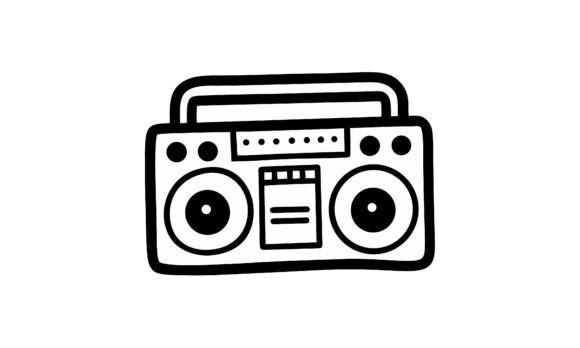
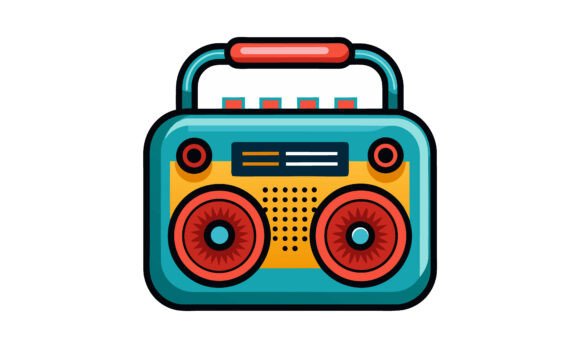
When I sit down to evaluate a new digital asset for my embroidery studio, I am rarely interested in just the visual aesthetics. My primary concern is always functional: how will this translate from a screen to thread? Will it hold up on a daily-wear item? Does it have the visual weight to stand out on a busy fabric texture? Recently, I took a closer look at the Retro Boombox Icon Illustration, a graphic marketed under Crafts and Graphics categories. While originally positioned as a silhouette cut file in SVG and EPS formats, its bold, iconic nature makes it an intriguing candidate for machine embroidery projects. This review breaks down my practical assessment of using this design for real-world applications, from custom apparel to boutique merchandise.
First Impressions and Visual Personality
The immediate appeal of the Retro Boombox Icon Illustration lies in its strong, recognizable silhouette. In the world of embroidery, simplicity often wins. Intricate line art can get lost or require excessive digitizing that leads to puckering and thread breaks. This design, however, relies on clean shapes and distinct blocks of form. It evokes a specific mood—nostalgic, energetic, and street-smart. For a designer looking to tap into the 80s and 90s revival trend, this icon provides a solid foundation without requiring complex shading or gradient work that is difficult to replicate in thread.
The layout feels balanced, suggesting that it would work well as a central focal point on a garment or accessory. The "icon" aspect means it reads clearly even from a distance, which is crucial for items like tote bags or caps where the design needs to communicate instantly. It does not feel cluttered, leaving room for breathability in the stitch plan, whether you are opting for a dense fill or a lighter applique approach.
Real-World Application Scenarios
To truly test a design, you have to imagine it on actual products. Here is how I see the Retro Boombox Icon Illustration performing in various common scenarios:
- Custom Apparel and Sweatshirts: This is perhaps the strongest use case. A retro boombox fits naturally on heavyweight cotton sweatshirts or hoodies. The thick fabric supports heavier stitch densities, allowing the design to pop with texture. It works exceptionally well for sweatshirt embroidery targeting youth markets or music enthusiasts.
- Tote Bags and Canvas Goods: As a tote bag design, this icon offers high visibility. Canvas is forgiving, and the bold lines of the boombox will contrast sharply against natural or dyed canvas colors. It adds a touch of personality to what might otherwise be a plain utility item, making it a great addition to any craft business inventory.
- Embroidered Patches: The self-contained nature of the icon makes it ideal for creating iron-on or sew-on patches. These are popular among Etsy sellers looking to offer customizable accessories for denim jackets and backpacks. The clean edges allow for a neat satin stitch border if you choose to add one.
- Baby and Nursery Items: While the theme is urban, the stylized nature of the icon softens it enough for baby gear. Think embroidered muslin swaddles or crib sheets. However, care must be taken with thread choices here; pastel threads can soften the "loud" vibe of the boombox, making it suitable for a gender-neutral nursery theme.
- Holiday Embroidery and Gifts: This design has potential as a unique gift item. Pairing the retro tech theme with cozy fabrics creates an interesting juxtaposition. It could serve as a standout piece for holiday gifts aimed at musicians or DJs.
Technical Considerations and Stitching Challenges
Even the best-looking graphics can fail if the technical execution is ignored. When planning to digitize or use a pre-digitized version of the Retro Boombox Icon Illustration, several factors come into play.
Fabric Texture and Stability: The design’s sharp angles require a stable base. If you are embroidering on stretchy knits or thin jersey, you must use a high-quality stabilizer to prevent distortion. On textured fabrics like tweed or heavy bouclé, fine details might get obscured. In such cases, simplifying the design or increasing the size is advisable.
Stitch Density and Hoop Size: Because this is an icon-based design, it likely relies heavily on fill stitch areas. Ensure your stitch density is appropriate for the fabric weight. Too much thread in a small area can cause the fabric to pucker, ruining the professional finish. Always check the recommended hoop size; if the design is too large for your standard hoop, you may need to split the design or use a larger frame, which complicates the workflow.
Thread Color Contrast: The success of this design hinges on contrast. On dark fabrics, light-colored threads are essential. Conversely, on light backgrounds, darker threads will define the shape better. I recommend testing the design in black and white mockups first to ensure the tonal values work before committing to expensive specialty threads.
Areas Requiring Caution
There are specific contexts where this design should be used carefully:
- Small Hoop Sizes: Attempting to fit this icon into a very small hoop (under 4 inches) may result in loss of detail. The speaker cones and control panels might merge into indistinct blobs.
- Curved Surfaces: While it can work on caps, the flat, geometric nature of the boombox might look distorted if not properly adjusted for the curvature of the hat front.
- Dense Stitch Areas: Avoid placing this design over existing seams or pockets where the fabric is already thickened. This can lead to needle breakage or uneven stitching.
Impact on Product Value and Brand Consistency
Using a recognizable cultural symbol like a boombox can significantly boost the perceived value of a handmade product. It taps into nostalgia, which drives engagement. For commercial embroidery projects, this design helps establish a brand identity that is fun, retro, and creative. It signals to the buyer that the maker understands current aesthetic trends while respecting classic forms.
Furthermore, because the design is an icon, it is versatile. It can be scaled up for a large chest print or reduced for a small pocket placement. This flexibility allows small shop owners to create a cohesive collection of products—from aprons to pillow covers—using the same visual language.
Practical Designer Notes
Before integrating the Retro Boombox Icon Illustration into your production line, I strongly advise the following steps:
- Test on Scrap Fabric: Never run a new design directly onto your final product. Test stitches, tension, and color interactions on scraps first.
- Review Licensing: Since the source description mentions it as a Silhouette cut file, verify the commercial usage rights. Ensure you are permitted to sell finished physical goods made from this digital asset.
- Inspect Small Details: Zoom in on the vector file. Are there tiny elements that will disappear when stitched? Simplify if necessary.
- Check Stabilizer Compatibility: Match your stabilizer to the fabric type. Cut-away for knits, tear-away for wovens.
- Create Printable Mockups: Use the SVG or EPS files to create realistic previews for your online store. This helps manage customer expectations regarding scale and placement.
In conclusion, the Retro Boombox Icon Illustration is a strong contender for designers looking to add a touch of retro flair to their embroidery project portfolio. Its clean lines and iconic status make it adaptable across various mediums, from custom apparel to personalized gifts. By paying attention to stitch density, fabric choice, and licensing, you can transform this simple graphic into a profitable and visually striking finished product.