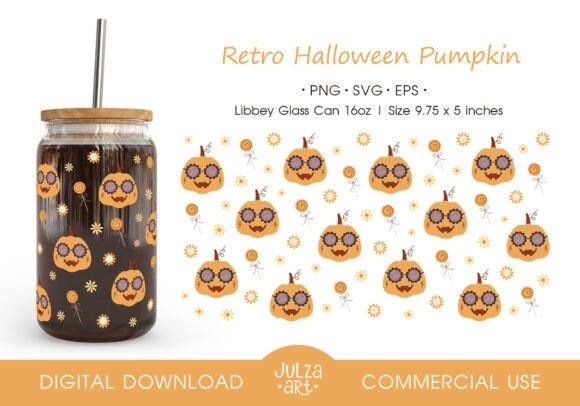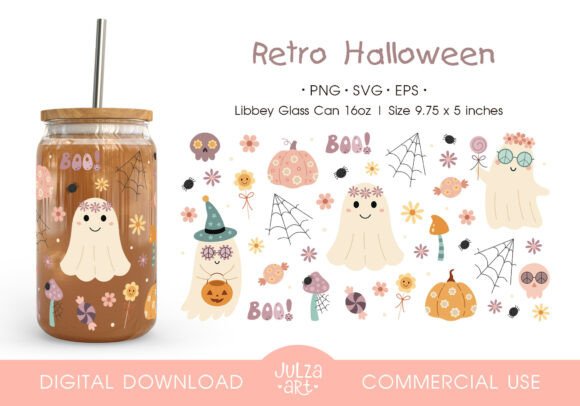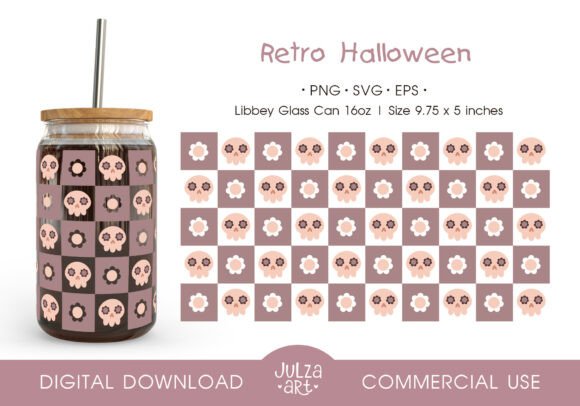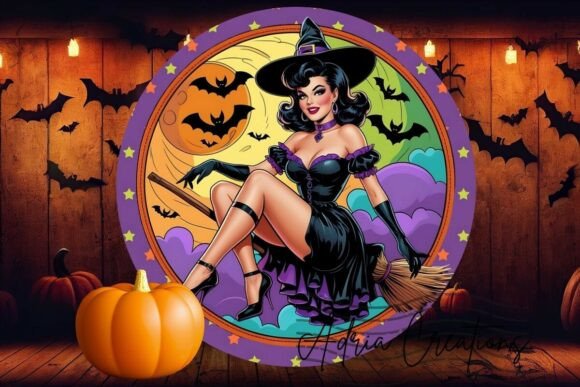
Retro Halloween 16oz Libbey Glass Wrap
As a designer who spends more time than I care to admit staring at stitch density charts and testing thread tension, I approach every new machine embroidery design with a healthy dose of skepticism. The market is flooded with generic clipart that looks fine on a screen but falls apart under the needle. However, when I first pulled up the Retro Halloween 16oz Libbey Glass Wrap, I stopped scrolling. This isn’t just another spooky graphic; it’s a layout built with an understanding of how embroidery actually behaves on three-dimensional surfaces.
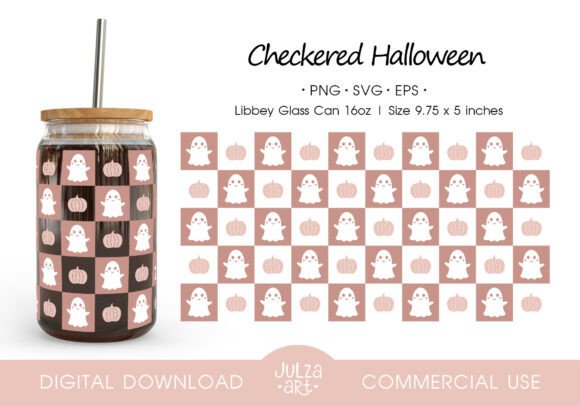
This design is specifically engineered for the contours of a standard 16 oz Libbey glass can, which immediately signals to me that the creator understands spatial awareness. While the product description notes its utility for sublimation and vinyl, my focus as an embroiderer is on how those checkered patterns, ghosts, and pumpkins translate into thread. If you are an Etsy seller or a small business owner looking to expand your craft business offerings this season, this embroidery file offers a unique niche that stands out from the usual hat-mounted jack-o'-lanterns.
First Impressions: Mood and Visual Personality
The aesthetic here is undeniably nostalgic. It taps into that mid-century retro vibe that has been dominating home decor and apparel trends for the last few years. The checkered pattern provides a structured background that contrasts beautifully with the organic shapes of the ghost and pumpkin motifs. From a design perspective, this balance is crucial. A busy background can sometimes compete with the main subject in commercial embroidery, but here, the geometry feels intentional rather than chaotic.
The visual personality is playful yet polished. It doesn’t scream "cheap Halloween party" but rather whispers "boutique handmade gift." For creative entrepreneurs aiming for a higher price point, this distinction matters. When a customer sees a finished product that looks thoughtfully designed rather than mass-produced, their trust in the brand increases. The layout suggests a wrap-around effect, which adds dimensionality to the final piece. It transforms a flat object into something tactile and engaging.
Real-World Application: Beyond the Can
While the primary use case is wrapping a glass vessel, the versatility of this design assets package allows for some creative pivoting. In my own studio, I often test designs on various substrates before committing to production. Here is how I see this embroidery project performing in real-life scenarios:
- Custom Apparel and Sweatshirts: The wrap concept works exceptionally well on the body of a sweatshirt or a large tote bag design. By breaking the image down or using it as a central panel, you create a custom apparel item that feels curated. The retro theme pairs perfectly with heavyweight cotton blends often used in boutique branding.
- Kitchen and Home Decor: Imagine this design on a tea towel or a kitchen apron. The durability of the embroidery combined with the festive theme makes for an ideal personalized gift. It bridges the gap between seasonal decor and everyday utility, which is a sweet spot for small shop product sales.
- Baby Embroidery Items: Surprisingly, the soft curves of the ghost and the muted retro tones work well for nursery decor or baby blankets. It avoids the harshness of traditional horror themes while still capturing the Halloween spirit. This expands your market to parents looking for subtle holiday accents for their little ones.
- Embroidered Patches: If the design includes clean borders, it could be digitized as a detachable patch. This is a low-risk entry point for customers who want to try the trend without committing to a full garment. It serves as a great upsell opportunity.
Technical Considerations and Stitch Performance
When evaluating any digital embroidery file, I look closely at how the different stitch types interact. The checkered background likely relies on a dense fill stitch or a carefully calculated grid of running stitches. If the stitch density is too high on a thin fabric, you will see puckering. If it is too low, the fabric texture will show through unevenly.
The satin stitch edges on the ghost and pumpkin elements need to be crisp. In my experience, rounded shapes like these can suffer from thread breaks if the pull compensation isn't set correctly. You must ensure that the thread colors provide enough contrast against the base fabric. On dark fabrics, the lighter retro tones will pop, creating a striking visual. On light fabrics, you might need a backing stabilizer to prevent the underlying material from distorting the design.
One critical note: always check the hoop size requirements. Because this is a wrap design, it may require a larger hoop or a multi-hoop setup to capture the full circumference. If you are working with limited equipment, verify that your machine can handle the dimensions without compromising the alignment of the repeating pattern.
Where to Use Carefully
No design is perfect for every surface. There are specific situations where this embroidery project might struggle:
- Small Hoop Sizes: Attempting to fit a wrap design into a tiny hoop will result in cropped details. Ensure your finished product matches the intended scale.
- Stretchy Fabrics: Knits and stretchy materials require heavy-duty stabilizers. Without proper support, the tension of the fill stitch can warp the fabric, ruining the geometric integrity of the checkered pattern.
- Curved Surfaces: While designed for a can, applying this to a curved cap brim or a rounded pillow corner requires careful mapping. Distortion can occur if the design isn't pre-stretched digitally to match the curve.
- Frequent Washing: For items like aprons or tote bags that see heavy use, inspect the small details after washing. Loose threads in intricate areas can snag, so finishing touches are essential.
Final Verdict for Designers and Sellers
The Retro Halloween 16oz Libbey Glass Wrap is a strong addition to any craft business portfolio. It solves a common problem: how to make seasonal merchandise feel fresh and distinct. Instead of competing with thousands of similar pumpkin shirts, you offer a specialized, lifestyle-oriented product.
For printable mockups and digital previews, this design photographs beautifully. The combination of textures—the smooth glass (or fabric mimicking it), the bold checks, and the whimsical characters—creates high engagement on social media platforms. It invites customers to imagine the item in their own homes.
Before you start producing, remember to test on scrap fabric. Check the fabric texture interaction, review the satin stitch quality, and confirm whether the license allows for commercial sale of the handmade product. If those boxes are checked, this design has the potential to be a standout bestseller during the holiday season. It is practical, visually appealing, and technically sound—a rare trio in the world of graphics and crafts.