Reviewing Christmas Welcome Sign Laser Cut Xmas
As a designer who spends half my day in embroidery software and the other half managing an online shop, I don’t just look at a design file; I look at its potential. I see finished products, customer reactions, and the practical realities of stitching on various fabrics. When I first pulled up Christmas Welcome Sign Laser Cut Xmas, my immediate thought wasn't about the festive cheer—it was about construction. This is a CNC laser cut file, which places it firmly in the realm of hard goods rather than soft textile art. However, for those of us in the creative economy, understanding how different media interact with our brand identity is crucial. While this specific product is intended for Laser Cutting machines to create physical decor, evaluating its visual language helps us understand what works in winter branding, whether we are creating digital assets or physical merchandise.
First Impressions: The Visual Personality
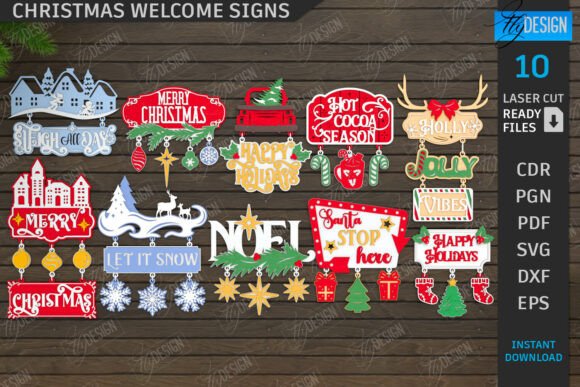
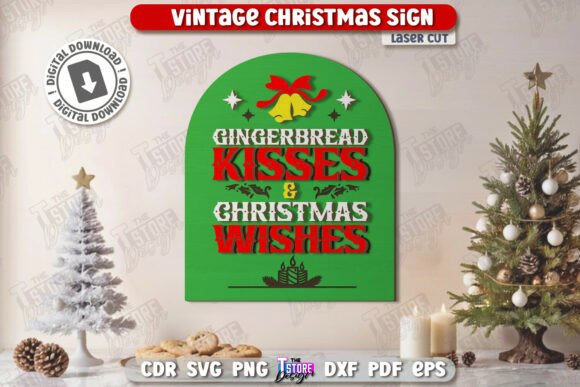
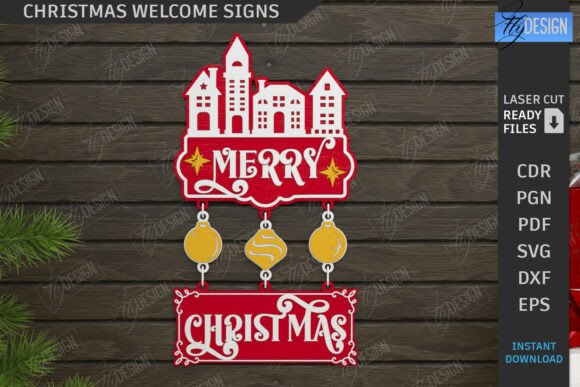
The title Christmas Welcome Sign Laser Cut Xmas suggests a retro aesthetic. In my experience, "retro" can be a double-edged sword. It can feel warm and nostalgic, or it can look dated and cluttered. From a design standpoint, this piece leans heavily into the cozy, vintage vibe that performs exceptionally well during the holiday season. The layout likely features bold, readable typography mixed with classic winter motifs. For a Winter Amp collection, this kind of high-contrast, graphic-heavy design stands out against busy backgrounds.
What strikes me most is the clarity of the shape. Laser cut files rely on clean vector lines because the material is being physically removed. If this design translates well to cutting acrylic, wood, or foam, it means the line work is decisive. There is no ambiguity in the shapes. This decisiveness is exactly what we want when we are thinking about transferring these concepts into other mediums, such as machine embroidery design or screen printing. A design that is too intricate for a laser cutter often fails in embroidery due to thread breakage or loss of detail. Therefore, seeing a successful laser cut file gives me confidence that the underlying graphic structure is sound.
Real-World Application: From Digital File to Physical Product
Let’s talk about how a designer might use this inspiration in their workflow. Imagine you are preparing a custom order for a boutique client. They want a set of holiday gifts. You have a digital embroidery file ready for a sweatshirt, but you also want to add a unique touch. You could use the visual style of Christmas Welcome Sign Laser Cut Xmas to create a matching tag or a hangtag for the package. Even though the original file is for laser cutting, the aesthetic principles apply to any craft business.
Consider a scenario where you are an Etsy seller launching a holiday collection. You decide to offer a personalized gift bundle. One item is a heavy cotton apron embroidered with a simple snowflake motif. To elevate the unboxing experience, you include a small, laser-cut wooden sign inspired by this design. The customer receives a cohesive brand experience. The visual connection between the embroidered text on the apron and the laser-cut sign creates a sense of professionalism and attention to detail. This is how small shop product owners build trust. It shows they think about the entire customer journey, not just the primary item.
Another common use case is for apparel decorators. Before committing to a large run of custom apparel, designers often test designs on mockups. The strong, graphic nature of a laser cut sign design makes it an excellent candidate for transfer onto fabric via heat transfer vinyl (HTV) or even as a reference for digitizing a patch. If you are creating an embroidered patch to sell separately, analyzing the negative space in the laser cut file helps you determine where to place the satin stitch borders. Too much detail in the center of a patch can make it look muddy; the laser cut file teaches you where the eye should rest.
Where to Exercise Caution
While the design has strong visual appeal, there are practical limitations to consider if you are adapting these concepts for embroidery or other crafts. First, always test your design on scrap fabric before running it on your final product. This is non-negotiable. Fabric texture can drastically change how a design reads. A crisp line on wood might blur slightly on a textured fleece or a loose-weave linen.
If you are planning to use similar graphic elements on dark fabric, you must ensure sufficient contrast. Light-colored threads may get lost against dark backgrounds unless you use underlay stitches or a contrasting backing. Similarly, if you are working with stretchy fabric like jersey knits for baby clothes, dense stitch areas can pucker the material. The stitch density needs to be balanced with the fabric weight. For delicate items like baby embroidery on onesies, simpler designs with wider spacing are often safer and more durable through repeated washing.
Another area requiring care is small details. Laser cutting allows for precision that embroidery sometimes struggles to match, especially in tiny corners or thin lettering. If you are digitizing a similar design for a tote bag design project, avoid placing critical text near the edge of the hoop. Movement during stitching can distort fine lines. Always confirm your hoop size constraints early in the process to avoid frustration later.
Impact on Brand and Customer Perception
In the world of handmade products, presentation is everything. A well-executed design signals quality. When a customer sees a finished product that aligns with current trends—like the retro winter aesthetic seen in Christmas Welcome Sign Laser Cut Xmas—they perceive higher value. This is particularly true for holiday embroidery projects. People are looking for items that feel special and timely.
For commercial embroidery businesses, consistency is key. Using design assets that share a common visual language helps reinforce brand identity. If your shop specializes in cozy, vintage-inspired home goods, incorporating elements from laser cut decor designs into your embroidery patterns creates a unified catalog. This cohesion encourages repeat customers. They know what to expect from your brand: thoughtful, aesthetically pleasing, and well-made items.
Furthermore, the giftability of a product is enhanced when the design feels intentional. A generic snowflake is nice, but a design that tells a story—like a welcoming sign for the home—creates an emotional connection. Buyers are more likely to leave positive reviews and recommend your shop when they feel the item fits perfectly into their holiday traditions. This engagement is vital for any craft business looking to grow.
Practical Designer Notes for Implementation
Before you commit to using a design concept like this in your next project, here are a few technical checks I recommend:
- Test on Scrap: Never assume a design will stitch perfectly on the first try. Use off-cuts of your target fabric to check for puckering, thread tension issues, and color accuracy.
- Check Thread Contrast: Review your thread colors against your fabric. High contrast usually yields better readability, especially for text-based designs.
- Inspect Small Details: Zoom in on your digitizing software. Are the tiny details too small to stitch? If so, simplify the design or increase the scale.
- Use Proper Stabilizer: The choice of stabilizer can make or break a project. For heavy items like sweatshirt embroidery, a cut-away stabilizer provides the necessary support. For lighter fabrics, a tear-away might suffice.
- Verify Licensing: If you plan to sell finished items made from this design, confirm the licensing terms. Ensure you have the right to use the design for commercial embroidery purposes. Selling design assets requires different permissions than selling physical goods.
- Mockup Visually: Create printable mockups to see how the design looks in context. Does it fit the product? Is it centered correctly? This step saves time and materials.
Ultimately, Christmas Welcome Sign Laser Cut Xmas serves as a reminder that good design transcends medium. Whether you are cutting wood or stitching thread, the principles of balance, contrast, and clarity remain the same. By understanding the strengths and limitations of each format, you can create products that not only look beautiful but also stand up to real-world use. As a reviewer, I find that taking the time to evaluate these nuances leads to better outcomes for both the maker and the end user. So, take your time, test thoroughly, and let your creativity guide you to a successful holiday collection.