Vintage Candy Carts Laser Cut Bundle CNC
When I pull a new design file into my hoop, I am not just looking at shapes; I am visualizing the final stitch-out. For an embroidery designer or small business owner, the difference between a good digital asset and a great finished product lies in the details. Today, I am evaluating the Vintage Candy Carts Laser Cut Bundle CNC, a collection that promises a blend of retro charm and precision cutting. While the title suggests laser utility, for those of us working in textile arts, the real question is how these graphics translate into tangible, sellable goods.
The First Impression: Nostalgia Meets Precision
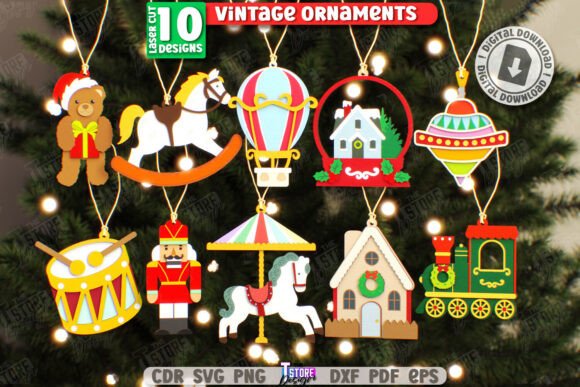
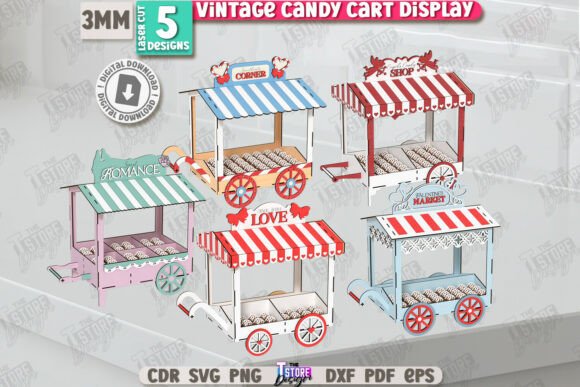
The immediate mood of this bundle is warm, inviting, and distinctly nostalgic. The "Vintage Candy Carts" theme taps into a specific aesthetic that resonates strongly with consumers who value handmade authenticity and retro vibes. Visually, the designs appear to feature classic cart structures, perhaps with decorative banners or candy motifs that suggest sweetness and celebration. This is not a minimalist abstract pattern; it is character-driven.
For a creative entrepreneur, this personality is crucial. A design needs to tell a story before the customer even touches the fabric. The layout feels balanced, suggesting that whether used as a central focal point on a sweatshirt or a delicate accent on a tea towel, the composition will hold its own. The "Laser Cut" aspect implies clean lines and sharp edges, which translates well to embroidery if the digitization respects the negative space. It feels like a design meant to stand out in a crowded Etsy shop or a busy craft fair booth.
Real-World Application: From Digital File to Finished Product
I often think about where a design lives best. The Vintage Candy Carts Laser Cut Bundle CNC has strong potential across several categories, particularly those tied to gifting and personalization. Valentine’s Day is the obvious anchor here, but the appeal extends beyond just February.
Imagine preparing a custom embroidered tote bag for a boutique client. Placing a detailed candy cart graphic on the front creates an instant conversation starter. The contrast between the sturdy canvas of the tote and the intricate stitching of the cart adds texture and depth. Similarly, for a baby item, such as a onesie or a nursery wall hanging, the soft, whimsical nature of a candy cart can evoke feelings of childhood wonder. It works beautifully as a personalized gift, where the buyer sees their child’s name integrated near the vintage imagery.
In the realm of apparel, this design shines on heavier fabrics. A crewneck sweatshirt or a denim jacket provides the perfect stability for the various stitch types likely present in the file. The weight of the garment supports the density of the embroidery without distorting. For kitchen textiles, like aprons or dish towels, the retro aesthetic fits seamlessly into home decor trends that favor farmhouse or vintage styles. It transforms a simple utility item into a statement piece.
Strategic Use Cases for Small Business Owners
- Holiday Collections: As a Valentine’s Day centerpiece, this design allows sellers to create coordinated sets—matching cards, tags, and embroidered gifts.
- Boutique Branding: Small shops selling confectionery or vintage-themed items can use this on packaging or promotional merchandise to reinforce brand identity.
- Personalized Gifts: The design’s narrative quality makes it ideal for adding names or dates, increasing perceived value for the end consumer.
Technical Considerations and Fabric Compatibility
No design is universal, and knowing where to exercise caution is part of professional expertise. The Vintage Candy Carts Laser Cut Bundle CNC requires thoughtful placement depending on the substrate. When working with stretchy fabrics like jersey knits, extra care must be taken to prevent puckering. A cut-away stabilizer is likely necessary to maintain the integrity of the cart’s shape over time.
Textured fabrics, such as bouclé or heavy wool, can obscure fine details. If the design includes small lettering or intricate candy wrappers, these elements might get lost in the weave. In such cases, it is wise to test the design on scrap fabric first. Additionally, when using dark fabrics, thread color contrast becomes paramount. A light-colored cart design may require a substantial underlay or a different thread palette to ensure visibility and crispness.
Curved surfaces, like caps or hats, present another challenge. While the design may look flat on a mockup, the curvature can distort proportions. Designers should consider scaling down the graphic or adjusting the digitization slightly to account for the curve. For dense stitch areas, ensuring proper stabilization is key to preventing needle breaks and maintaining a smooth finish.
Visual Appeal and Customer Trust
From a marketing perspective, the visual clarity of the design directly impacts customer trust. A clean, well-executed embroidery project signals professionalism. When buyers see a finished product where the satin stitches are tight and the fill stitches are uniform, they associate that quality with the brand itself. The Vintage Candy Carts Laser Cut Bundle CNC, with its clear structural lines, lends itself to high-quality execution. This clarity helps in creating printable mockups that accurately represent the final product, reducing returns due to mismatched expectations.
The retro theme also enhances giftability. People buy emotional experiences, not just products. A vintage candy cart evokes memories of simpler times, making it an attractive choice for sentimental gifts. This emotional connection drives engagement and encourages social sharing, which is invaluable for digital product sellers and craft business owners alike.
Practical Designer Notes for Implementation
To get the most out of this bundle, I recommend a few practical steps before committing to large production runs:
- Test on Scrap Fabric: Always run a sample on the actual fabric you plan to use. Check how the thread colors interact with the material.
- Review Stitch Density: Ensure the stitch density is appropriate for the fabric weight. Too much density on light fabric can cause stiffness; too little can lead to transparency.
- Inspect Small Details: Zoom in on the digital file to check for tiny elements that might not render well in thread. Adjust if necessary.
- Check Licensing: Confirm whether the file is suitable for commercial use. Selling finished items requires clear rights, especially for digital assets.
- Compare Backgrounds: Test the design on both light and dark backgrounds to ensure versatility. This helps in offering a wider range of product options.
By approaching the Vintage Candy Carts Laser Cut Bundle CNC with these considerations in mind, designers can transform a simple digital download into a compelling, high-value physical product. Whether you are an experienced embroiderer or a hobbyist looking to start a side hustle, this bundle offers a solid foundation for creating memorable, handcrafted goods that resonate with customers.