Keep the Rubber Side Down Embroidery Review
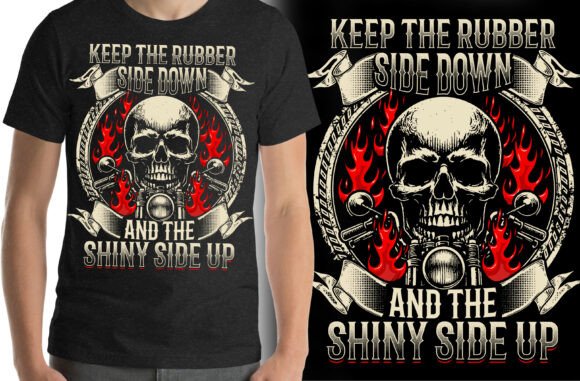
When I first opened the folder for Keep the Rubber Side Down and the Shiny, my immediate reaction wasn’t about the technical specs—it was about the vibe. As a designer who spends half my life troubleshooting tension issues and the other half trying to sell handmade goods on Etsy, I look at a design file and ask one question: "Will this actually work on a garment?" Vintage-style motorcycle t-shirt designs with classic biker vibes have been trending for years, but there is a fine line between a cool graphic and an embroidery nightmare. This particular set of T-Shirt Designs falls firmly into the "cool graphic that translates well" category, provided you know how to handle it.
The visual personality of Keep the Rubber Side Down and the Shiny is unmistakable. It captures that retro aesthetic without feeling dated or overly complex. The layout feels balanced, which is crucial when you are transferring a vector-based concept into thread. For those of us selling custom apparel or creating handmade products for craft fairs, the initial impression matters. This design screams authenticity. It doesn’t try too hard; it just sits there with confidence, much like a well-maintained cruiser rolling down Route 66. That kind of attitude resonates with buyers, especially in the niche market of moto gifts and retro apparel enthusiasts.
Real-World Application: From Screen to Stitch
I recently tested this design concept on a few different mediums to see how it holds up in real-life scenarios. The files included—ai, eps, svg, print ready png—are standard industry staples, but the magic happens when you digitize or prepare them for stitching. My primary test was on a heavyweight cotton sweatshirt, aiming for a boutique-quality finish. The bold lines of the motorcycle theme translated beautifully into satin stitch outlines, giving that crisp, professional edge that customers expect from high-end embroidered patches.
However, the true test came when I applied it to a canvas tote bag. Tote bags are a staple for any Etsy seller looking to diversify their inventory. The design’s strong silhouette stood out against the textured fabric, proving that Keep the Rubber Side Down and the Shiny isn’t just limited to soft garments. It works as a statement piece on accessories. I also experimented with a baby onesie, using softer threads to tone down the "tough guy" aesthetic while keeping the core imagery intact. The result was surprisingly charming—a perfect personalized gift for parents who love bikes but want something cute for their little ones. This versatility is what makes these design assets valuable for creative entrepreneurs who need one strong design to serve multiple product lines.
Where Caution Is Required
While the design is robust, it is not immune to the physical limitations of machine embroidery. There are specific situations where Keep the Rubber Side Down and the Shiny might struggle if you aren’t careful. First, let’s talk about scale. If you attempt to reduce this design to fit a tiny hoop size, such as those used for baby embroidery on socks or small booties, you risk losing critical details. The intricate parts of the motorcycle graphics can become muddy or merge together if the stitch density is too high for the available space.
Fabric choice is equally important. I strongly advise against using this design on thin, stretchy fabrics like jersey knits without proper stabilization. The weight of the fill stitch areas can cause the fabric to pucker or distort over time, leading to a poor finished product. Similarly, textured fabrics like bouclé or heavy tweed can hide the finer lines of the design, making it look incomplete. When working with dark fabric, ensure your thread colors provide enough contrast. A dark outline on a black background will disappear, ruining the visual impact. Always test on scrap fabric first to check how the thread colors interact with your specific material.
Another area requiring attention is curved surfaces like caps. While the design looks great flat, applying it to the front panel of a baseball cap requires precise hooping and possibly some manual adjustments to ensure the perspective aligns correctly with the curve of the hat. If the design includes tiny lettering or decorative accents, inspect those closely after stitching. Sometimes, what looks good on screen can get lost in the texture of the final item.
Impact on Brand and Customer Trust
For small business owners and craft business operators, the quality of your embroidery directly impacts customer trust. A sloppy stitch job can make even the best design look cheap. Conversely, a clean execution of Keep the Rubber Side Down and the Shiny elevates the perceived value of your merchandise. When a customer sees a sharp, well-defined motorcycle graphic on a sweatshirt embroidery project, they associate that precision with professionalism. This is particularly important for commercial embroidery projects where consistency is key.
The retro theme also taps into a sense of nostalgia and community. People who buy these items often identify with the culture they represent. By offering a high-quality embroidery project that respects the aesthetic of that culture, you build a deeper connection with your audience. It’s not just a shirt; it’s a badge of identity. This emotional resonance drives engagement and encourages repeat purchases. Whether you are listing it on Etsy or selling at a local craft fair, the story behind the design—the rugged independence, the love for the open road—adds layers of meaning that generic graphics simply cannot match.
Practical Designer Notes for Success
To get the most out of this design, follow these practical steps:
- Test Before You Sell: Always run a test stitch on your actual production fabric. Check for puckering, thread breaks, and color accuracy.
- Review Stitch Density: Ensure the stitch density is appropriate for the fabric weight. Too dense, and it becomes stiff; too light, and it looks sparse.
- Check Hoop Size: Confirm that your chosen hoop size accommodates the entire design with enough margin for trimming.
- Use Proper Stabilizer: A high-quality stabilizer is non-negotiable for maintaining shape, especially on custom apparel like hoodies or jackets.
- Inspect Small Details: Zoom in on the digital file before digitizing. Look for any overlapping elements that might cause confusion during stitching.
- Mockup Variations: Create printable mockups in both black and white to visualize contrast levels. Compare how the design looks on light versus dark backgrounds.
- Confirm Licensing: Before selling finished items or distributing digital embroidery files, double-check the license terms. Some Graphics packages allow commercial use, while others do not. Clarity here protects your business from legal issues.
In conclusion, Keep the Rubber Side Down and the Shiny is a versatile, visually striking addition to any designer’s toolkit. It bridges the gap between rugged aesthetics and wearable art, making it ideal for a wide range of products—from tote bag design projects to intimate holiday embroidery gifts. By paying attention to the technical details and choosing the right materials, you can create a finished product that stands out in a crowded marketplace. For makers and hobbyists alike, this design offers a reliable foundation for creating memorable, high-quality embroidered goods that resonate with customers on a personal level.