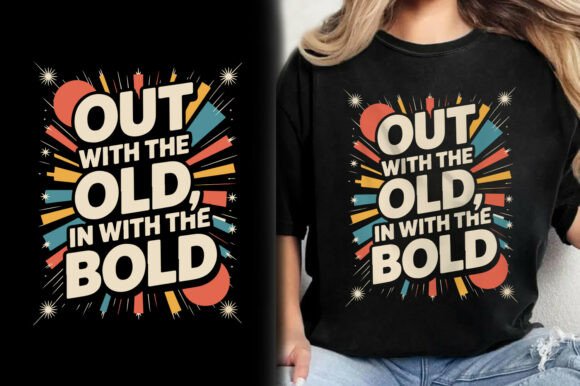
Out with the Old Bold New Year Embroidery Review
When I sit down to evaluate a new embroidery design for my studio, I am not just looking at the pixels on the screen. I am visualizing the needle drop, the thread tension, and how the final finished product will feel in a customer’s hands. This is especially true when working with high-energy themes like Out with the Old Bold New Year. As we look toward 2026, the demand for festive, retro-inspired apparel and accessories is climbing, but so is the need for designs that translate cleanly from digital art to stitched fabric.
I recently pulled Out with the Old Bold New Year into my digitizing software to test its viability for a series of boutique holiday collections. The premise is clear: a retro groovy aesthetic featuring disco balls, sparkle lights, and fireworks party vibes. It is marketed as a T-Shirt Design under the broader category of Graphics, but in the world of machine embroidery, versatility is everything. Here is my practical assessment of how this design holds up under real-world stitching conditions.
First Impressions and Visual Personality
The immediate mood of Out with the Old Bold New Year is celebratory and nostalgic. The "retro groovy" style suggests bold lines and playful shapes, which are generally forgiving in embroidery. Unlike intricate floral patterns that require precise satin stitches to avoid pilling, this design relies on strong silhouettes and thematic elements. The inclusion of a disco ball and fireworks provides excellent opportunities for texture variation. A well-executed fill stitch can mimic the reflective facets of a disco ball, while running stitch or tiny satin accents can simulate the burst of fireworks.
From a branding perspective, this design feels right at home in a modern craft business. It appeals to the maker who wants to create something that feels both handmade and trendy. For an Etsy seller or small shop owner, this kind of graphic offers a strong hook. It is not generic; it has a specific voice. When you see the mockup, you immediately think of a cozy sweatshirt or a sturdy canvas tote. That mental connection is crucial for conversion rates.
Real-World Application: The Holiday Gift Scenario
Let us imagine a specific use case. It is December, and you are preparing custom gifts for your team or creating inventory for a local craft fair. You decide to embroider Out with the Old Bold New Year on heavyweight cotton sweatshirts. This is where the design truly shines. The bold nature of the text and graphics stands out against the soft, textured surface of fleece or French terry.
However, if you shift to a different medium, such as a delicate baby onesie, the approach changes. While the theme is fun, the density of the design must be considered. For baby embroidery, you want to ensure the design is not too heavy on the skin. If Out with the Old Bold New Year contains large areas of dense fill stitch, it might be too stiff for a newborn’s garment. In this scenario, I would recommend using it as an applique design element or ensuring the digitizer has used lightweight stabilizers and reduced stitch count where possible. The goal is to maintain the "party vibes" without compromising comfort.
Another strong application is the tote bag design. Canvas is a forgiving fabric that handles bold graphics well. Placing the disco ball and fireworks motif on a natural-colored tote creates a striking contrast. It becomes a functional piece of art that customers are proud to carry around during the holiday season. This elevates the perceived value of the item, allowing you to price it as a premium handmade product.
Technical Considerations for Stitching
Before committing to a full production run, there are technical hurdles to clear. The success of any machine embroidery design lies in the details. With Out with the Old Bold New Year, you must pay close attention to the lettering. If the font includes thin serifs or tight curves, these areas are prone to breaking thread or losing definition, especially on stretchy fabrics.
I always advise testing the design on scrap fabric first. Use the same stabilizer you plan to use for the final project. If you are working on a cap or hat, remember that curved surfaces distort flat designs. You may need to adjust the placement or choose a smaller hoop size to keep the design within the manageable curve of the front panel. For sweatshirt embroidery, a cut-away stabilizer is non-negotiable to prevent puckering over time.
Thread color selection is also critical. The description mentions "sparkle lights," which often implies metallic or variegated threads. While metallics add luxury, they can be tricky to stitch. They shed more easily and require slower machine speeds. If you are using standard polyester thread, ensure the contrast between the background fabric and the design elements is high enough to maintain clarity. A black design on a navy shirt might get lost, whereas white or gold on black will pop beautifully.
Where to Exercise Caution
Not every surface is suitable for this level of detail. I would advise against using Out with the Old Bold New Year on very thin fabrics, such as sheer chiffon or lightweight rayon, unless you are using a heavy-duty backing. The weight of the embroidery could cause the fabric to sag or tear. Similarly, on dark fabrics, light-colored details might require an underlay stitch to prevent the base fabric from showing through, which adds complexity to the digitizing process.
Another area to watch is the stitch density. If the original graphic is highly detailed, it might translate into a dense block of stitches. On products that need frequent washing, such as kitchen towels or aprons, excessive density can lead to wear and tear. The threads may fray faster, and the fabric underneath may become brittle. For these items, I often suggest simplifying the design or using fewer thread colors to reduce bulk.
Commercial Viability and Licensing
For those of you selling finished goods, licensing is paramount. The product description notes that this is a digital embroidery file intended to elevate creative projects. However, you must confirm whether the license allows for commercial use of the physical items you create. Some designers sell files for personal use only, while others offer commercial licenses that permit you to sell unlimited finished products. Always check the terms before listing your small shop product on Etsy or your own website.
If you are creating printable mockups for marketing purposes, ensure you have the rights to display the design digitally. Professional presentation builds trust. A clear, well-lit photo of the embroidered design on a real garment is far more effective than a low-resolution digital render. Show the texture of the thread, the crispness of the edges, and how the design interacts with the fabric weave.
Final Verdict
Out with the Old Bold New Year is a vibrant, energetic design that captures the spirit of celebration perfectly. It is well-suited for custom apparel, holiday gifts, and boutique merchandise. Its retro theme gives it a timeless appeal that transcends fleeting trends. However, like all design assets, its success depends on execution. By paying attention to fabric choice, stabilizer usage, and thread quality, you can transform this digital graphic into a stunning embroidery project that delights customers.
Whether you are a seasoned pro or a hobbyist looking to start a craft business, this design offers a solid foundation for festive creations. Test it thoroughly, respect the limitations of your materials, and let the groovy vibes shine through in your stitching. When done right, Out with the Old Bold New Year is not just a design; it is a statement piece that brings joy and style to the new year.