Analog Photography with Vintage Cameras
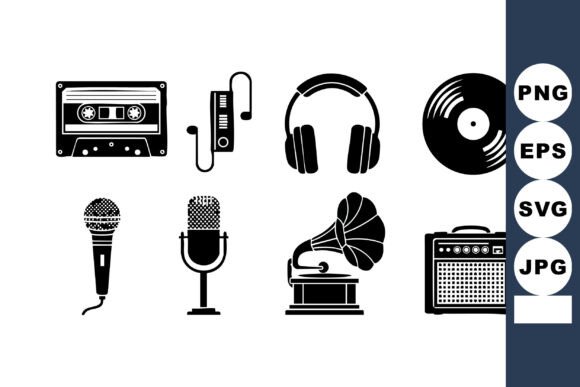
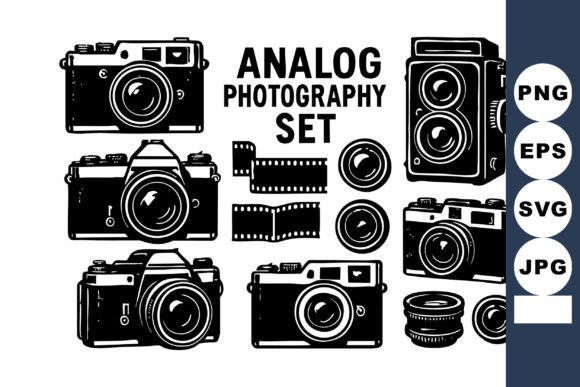
When I sit down to review a new embroidery design, my first instinct is always to look past the digital preview and imagine the physical result. As a designer who frequently creates assets for small businesses and personal gifts, I know that what looks clean on a screen doesn’t always translate well through the needle. This is why I approach every new vector or graphic with a critical eye, focusing on stitch density, visual balance, and commercial viability. Today, I am evaluating a specific asset titled Analog Photography with Vintage Cameras. It presents a collection of analog photography equipment—including vintage cameras, film rolls, and lenses—rendered in a bold black silhouette style. At first glance, this falls under the broad categories of Illustrations and Graphics, but its true value lies in how it functions as a practical machine embroidery design for real-world applications.
The First Impression: Mood and Visual Personality
The immediate appeal of Analog Photography with Vintage Cameras is its strong, graphic quality. The use of a black silhouette style creates a high-contrast visual that is inherently pleasing to the eye. In the world of embroidery, simplicity often wins. Complex gradients or subtle shading can get lost in thread texture, but a solid shape reads clearly from a distance. This design captures the nostalgic essence of retro photography without relying on intricate details that might become muddy after stitching.
The layout feels balanced, grouping the camera bodies, film rolls, and lenses in a way that suggests a curated collection rather than a random scatter. For an Etsy seller or a craft business owner, this kind of cohesive imagery is gold. It tells a story instantly. When a customer sees this design on a product, they immediately associate it with creativity, history, and artistic passion. It appeals directly to photography enthusiasts, hobbyists, and anyone who appreciates the tactile nature of analog media. The mood is warm yet professional, making it suitable for a wide range of audiences, from teenagers buying their first vintage-style hoodie to adults looking for sophisticated home decor.
Real-Life Application: From Screen to Stitch
Let’s imagine a specific scenario. You are preparing a batch of custom embroidered tote bags for a local craft fair or an online shop. These bags are marketed toward creatives and photographers. You need a design that stands out on canvas or cotton twill but doesn’t overwhelm the fabric. Analog Photography with Vintage Cameras fits this bill perfectly. Because the design relies on solid shapes, it works beautifully as a large central motif on the front of a tote bag. The black silhouette provides a striking anchor against lighter fabric colors like cream, beige, or denim blue.
Beyond tote bags, this design has remarkable versatility. Consider a sweatshirt embroidery project aimed at a photography club or a workshop participant gift. Placing this graphic on the chest or back of a heavy cotton sweatshirt adds a layer of personality without being overly loud. Similarly, for baby embroidery, such as a onesie or a blanket for a photography-themed nursery, the soft, rounded shapes of the vintage cameras and film rolls are gentle and engaging. It transforms a simple garment into a keepsake item.
I also see potential in apron designs for home bakers or coffee lovers who appreciate aesthetics. A kitchen towel featuring these silhouettes could serve as a charming personalized gift for housewarmings or holidays. The design’s ability to function across different product types—from custom apparel to home textiles—is a key indicator of its value as a design asset. It allows a small shop product creator to maintain brand consistency while offering diverse merchandise.
Where to Exercise Caution
While this design is robust, no embroidery file is perfect for every situation. There are specific contexts where Analog Photography with Vintage Cameras requires careful consideration. If you plan to embroider this on a curved surface, such as a baseball cap or a beanie, you must ensure your hoop stabilizer is rigid enough to prevent distortion. The silhouette style holds up well on curves, but tight corners in the lens details might pucker if the fabric is too thin or stretchy.
Another area of caution is scale. While the design is clear, attempting to reduce it to a very small hoop size might cause the finer details of the film roll textures or camera buttons to merge together. It is best suited for medium to large placements. Additionally, if you are working with dark fabric, the black silhouette will disappear entirely unless you use a contrasting thread color or apply a white underlay. Always test the design on scrap fabric first to check thread color contrast and inspect small details before committing to a final product.
Stitching Clarity and Product Value
From a technical standpoint, the success of any embroidery project hinges on stitch clarity. The solid fill nature of this silhouette design means it likely utilizes a combination of fill stitch for the main bodies and perhaps running stitch or satin stitch for outlining or fine accents. This mix ensures that the design covers the fabric adequately without becoming excessively dense, which can make the final product stiff and uncomfortable. High stitch density can sometimes lead to fabric puckering, especially on delicate materials, so checking the stabilizer requirements is crucial.
For a commercial embroidery venture, the professionalism of the finished product directly impacts customer trust. A cleanly stitched Analog Photography with Vintage Cameras graphic signals attention to detail. It elevates the perceived value of the item. Whether it ends up on a handmade product sold at a boutique or a mass-produced item for a larger retailer, the sharp lines of the silhouette convey quality. Buyers are more likely to engage with a product that looks polished and intentional. This design supports that goal by avoiding ambiguous shapes that might look sloppy if the stitching tension is slightly off.
Practical Designer Notes for Success
To get the most out of this asset, I recommend following a few practical steps before production. First, convert the design to a black-and-white mockup to evaluate its form without the distraction of color. This helps confirm that the composition works as a pure shape. Second, compare how the design looks on both light and dark fabric backgrounds. On dark fabrics, consider using a metallic or bright thread to make the silhouette pop, or opt for a reverse applique technique if your machine supports it.
Always confirm whether the license permits commercial embroidery if you intend to sell the finished items. Many digital embroidery files come with restrictions on the number of units you can produce. For Etsy sellers and creative entrepreneurs, understanding these terms protects your business from legal issues. Furthermore, when creating printable mockups for your online store, ensure that the lighting in your photos highlights the texture of the thread. The tactile nature of embroidery is a selling point; showing close-ups of the stitch work can help customers appreciate the craftsmanship behind the Analog Photography with Vintage Cameras design.
Final Thoughts
In conclusion, Analog Photography with Vintage Cameras is a versatile and visually striking addition to any designer’s library. Its strong silhouette style, nostalgic theme, and adaptability across various products make it an excellent choice for custom apparel, gifts, and branding materials. By paying attention to fabric choices, hoop sizes, and thread contrasts, you can ensure that this design translates beautifully from screen to stitch. For those looking to add a touch of retro charm to their craft business or personal projects, this graphic offers a reliable and appealing foundation. Just remember to test thoroughly and respect licensing agreements to keep your creative ventures smooth and successful.